Tripo AI · VAST
Tripo 3D
Tripo AI H3.1 for text to 3D
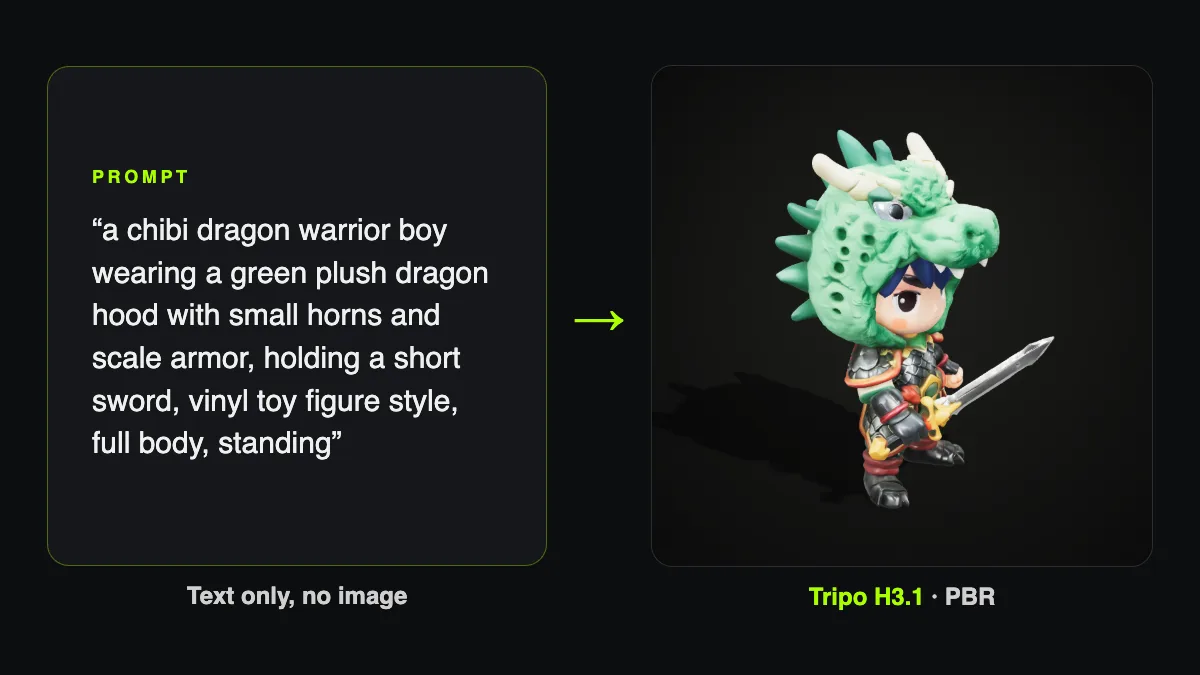
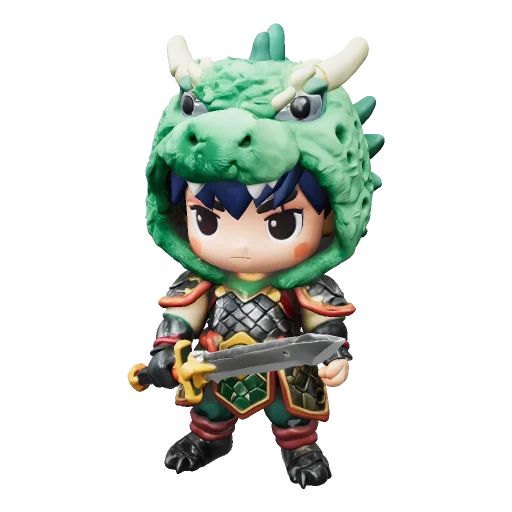
Tripo 3D is the AI 3D generator from Tripo AI, a product of the company VAST, and H3.1 is its current model generation. Ship3D uses Tripo H3.1 for every text-to-3D job: you type a description, and the Tripo 3D model runs through the fal API with standard textures, PBR materials, a triangle mesh and a limit of 200,000 faces. A model takes about three minutes and arrives as a GLB with a full PBR texture set at 2048 × 2048, which you can download as GLB, STL, OBJ or USDZ. In our own test, Tripo 3D followed a long prompt closely: everything we asked for, from the green plush hood with small horns to the short sword, showed up in the model. On Ship3D, H3.1 handles text only; photos go to Hyper3D Rodin. Ship3D is not affiliated with Tripo AI or VAST, and every picture on this page comes from our own test.
Tripo 3D test results on Ship3D
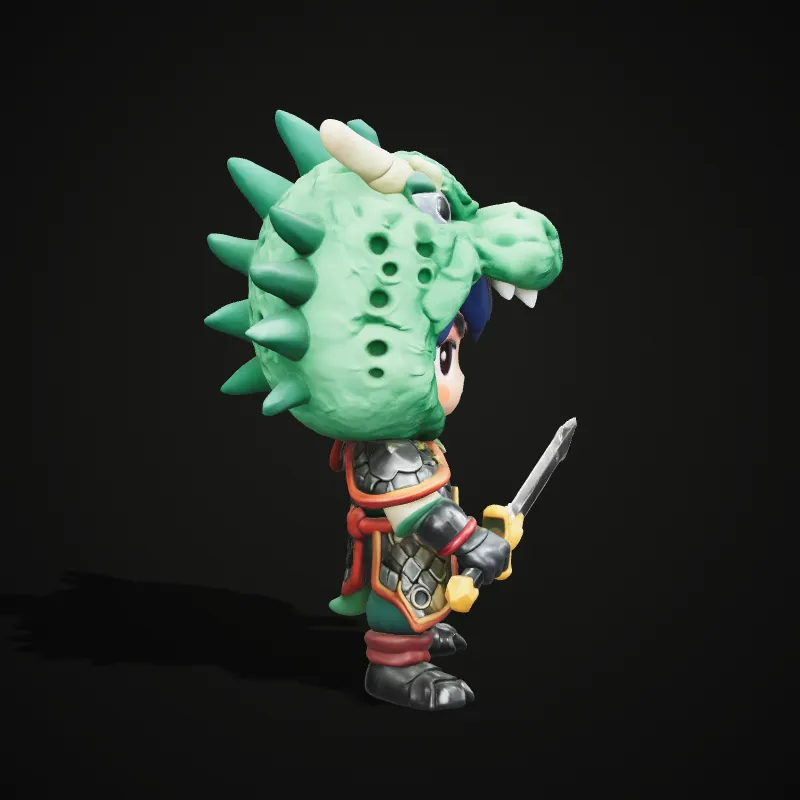
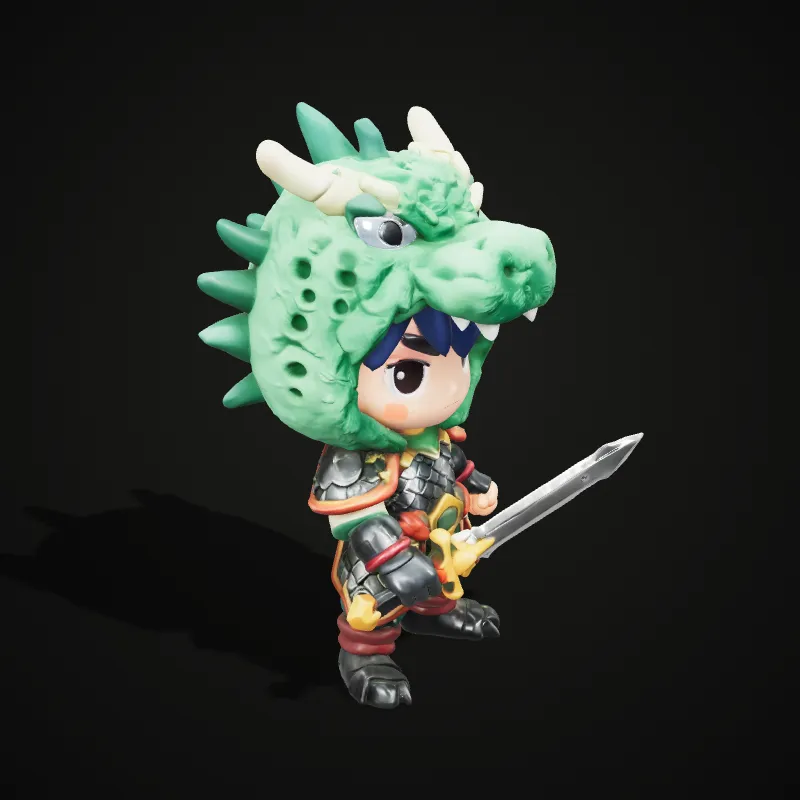
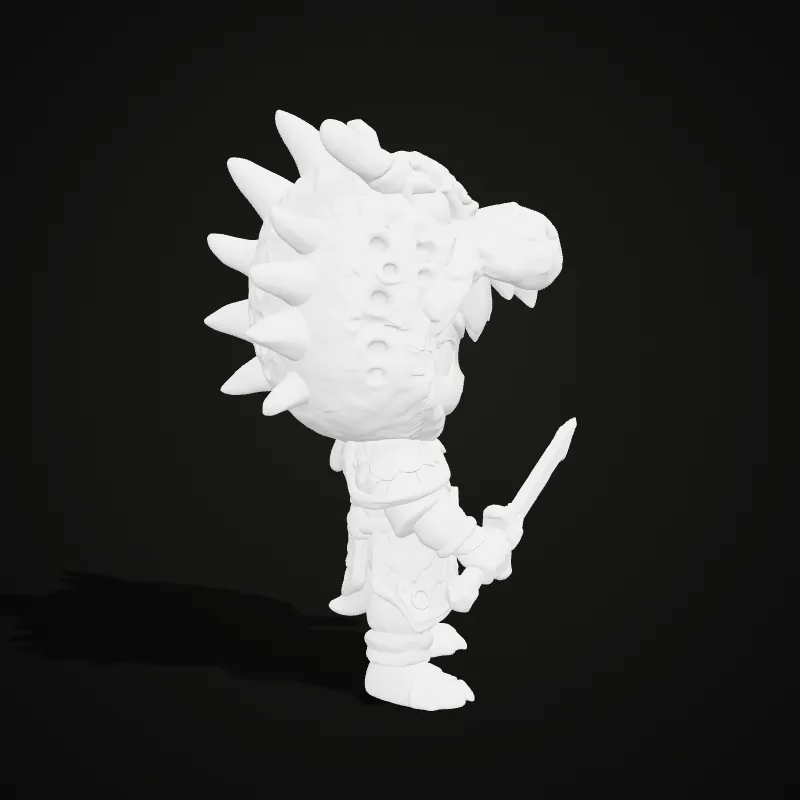
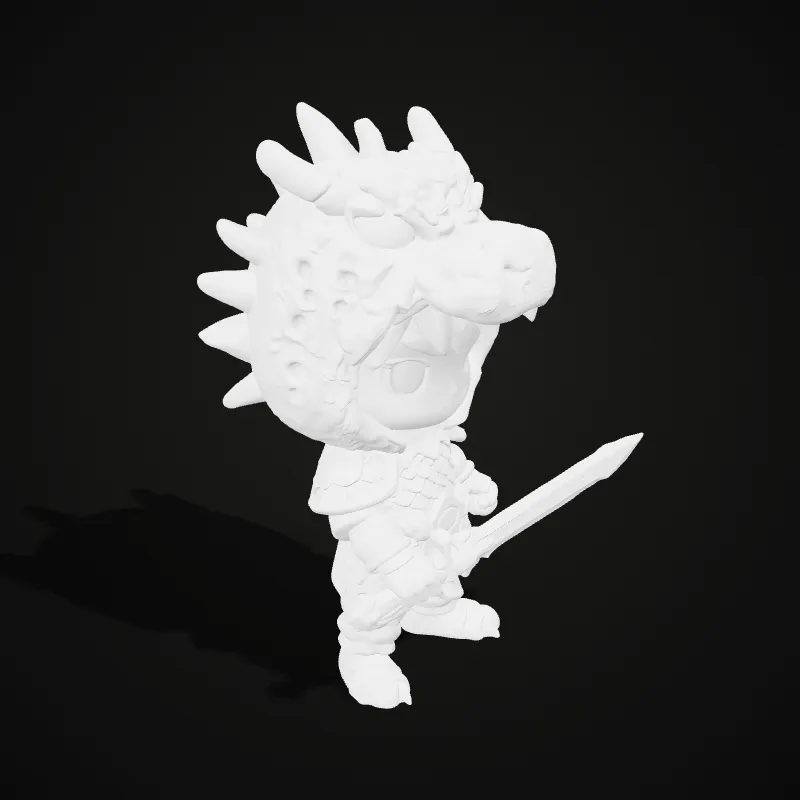
On 19 November 2026 we ran one prompt through Tripo H3.1 with standard PBR textures: “a chibi dragon warrior boy wearing a green plush dragon hood with small horns and scale armor, holding a short sword, vinyl toy figure style, full body, standing”. That test had no face limit and returned 1.47 million triangles; Ship3D now caps Tripo 3D at 200,000 faces, so your file will be lighter and the finest surface detail a little softer.
Tripo 3D on Ship3D: specs
| Model & tier | Input | Download formats | Credits per model |
|---|---|---|---|
| Tripo H3.1 · Text to 3D | Text prompt | GLB · STL · OBJ · USDZ | 80 |
What Tripo 3D does well
- Follows the prompt closely: in our test the plush hood, the small horns, the scale armour, the short sword and the vinyl-toy style all appeared.
- A full PBR material set at 2048 × 2048, embedded in the GLB, so the model lights correctly in game engines, AR and web viewers.
- Sculpted detail: spikes, scales and armour plates are geometry, as the clay renders show.
- The same H3.1 family ranked first among image-to-3D models on the Crafiq 3D Arena when we checked on 17 November 2026.
- The 200,000-face limit keeps files practical: about 10 MB as a binary STL.
- Prompts of up to 500 characters, enough to describe pose, outfit and style in one go.
What to keep in mind
- It takes about three minutes (188 seconds in our test), much longer than image to 3D on Ship3D.
- Text only: this page has no image input. To turn a photo into a model, use image to 3D, which runs Hyper3D Rodin.
- The settings are fixed: standard textures, a triangle mesh and 200,000 faces. There is no negative prompt, seed or quad-mesh option.
- The pictures on this page come from a test without a face limit. Models made on Ship3D are capped at 200,000 faces, so the smallest surface detail can be softer.
- No auto-rigging, no part splitting and no FBX or 3MF download. An STL keeps the shape only; the textures stay in the GLB.
- Public rankings test H3.1 from images, not from text, and on few votes (Crafiq: 1792 ± 112). No public ranking covers text to 3D.
Tips for better Tripo 3D results
- 1Describe one object or character, then its pose, outfit, materials and style, like our dragon-warrior prompt.
- 2Name the style: our prompt asked for a “vinyl toy figure style” and the model looked like one.
- 3Ask for “full body, standing” when you want a figurine that stands on its own.
- 4Leave out scenes, backgrounds and lettering; the model builds one object.
- 5For 3D printing, download the STL, add a base if needed and check thin parts such as swords and horns.
- 6Keep the tab open for the three minutes; the credit cost is shown before you start.
Tripo 3D FAQ
What is Tripo 3D?
Tripo is an AI 3D generator made by VAST. Tripo AI runs its own web app with rigging, retopology and other tools, plus an API. H3.1 is its current model family for text and image input. fal hosts H3.1 as an API, which is how Ship3D runs it.
Which Tripo AI model does Ship3D use?
Tripo H3.1 Text to 3D (tripo3d/h3.1/text-to-3d) with standard textures, PBR on, standard geometry, triangles instead of quads and a face limit of 200,000. Ship3D uses it for text to 3D only.
How long does a Tripo 3D model take?
About three minutes. Our test took 188 seconds, 4 of them in the queue. Tripo’s own docs quote about 120 seconds for a textured model, so the time varies. Keep the tab open while it runs.
How many credits does Tripo 3D use on Ship3D?
80 credits per model, shown on the Generate button before you start. The free try you get on sign-up covers one image-to-3D run, not text to 3D. Downloads in any format cost nothing extra, and a failed run is refunded automatically.
How big is an STL from Tripo 3D?
A binary STL takes 50 bytes per triangle, so a model at Ship3D’s 200,000-face limit is about 10 MB, which slicers open easily. Without a limit, our test model had 1.47 million triangles and a 45 MB GLB; that is why Ship3D sets one.
Is Tripo 3D on Ship3D the same as the Tripo app?
It is the same H3.1 model, called through fal, without the app’s extras: no rigging, retopology, segmentation, quad mesh, negative prompt or image input here. Our Tripo alternative page compares the two in full.
Can I use Tripo 3D models commercially?
Ship3D’s terms allow commercial use of models generated on a paid plan. fal lists Tripo H3.1 as licensed for commercial use, and its terms claim no rights in the output. Tripo’s own free-plan rules cover Tripo’s app, not models made on Ship3D. Avoid prompts that copy someone else’s character or logo.
Try Tripo 3D now
Describe an object and get a PBR-textured Tripo 3D model in about three minutes. Free to sign up; the credit cost is shown before you start.
Try Tripo 3D